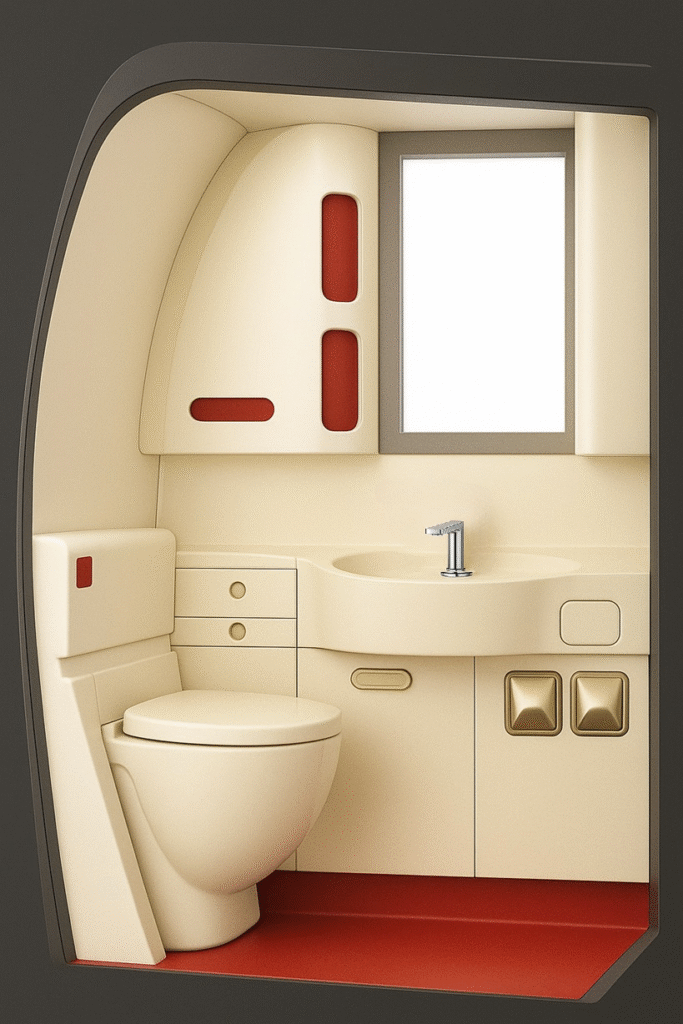
Designed for tight aircraft lavatory envelopes where fast activation, splash control, and simple service access matter more than “residential” aesthetics.
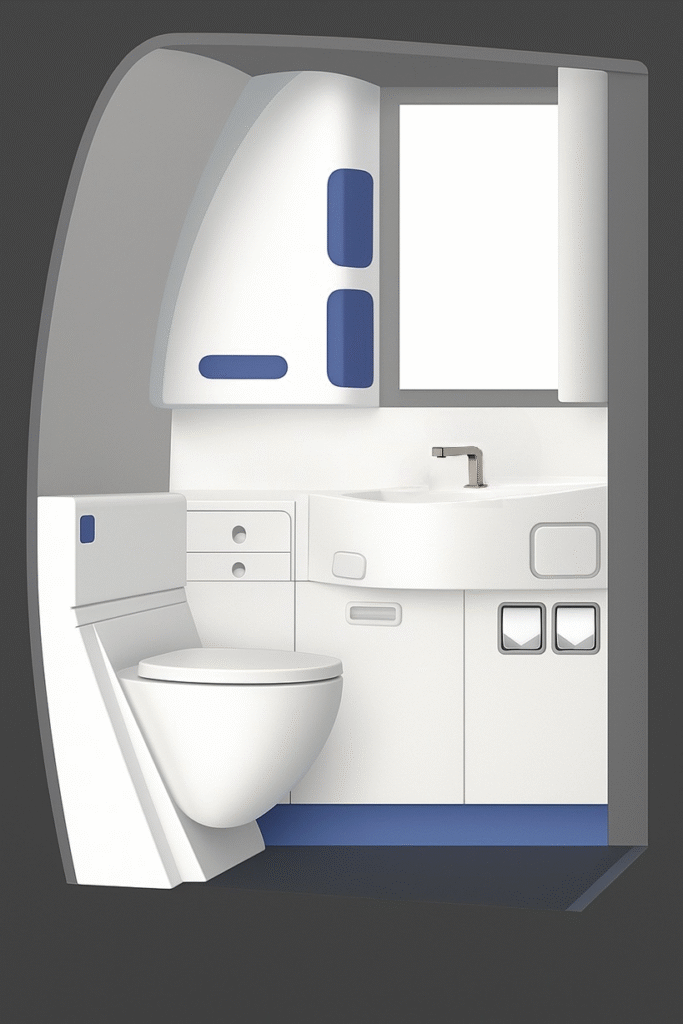
Aviation lavatories demand stable sensing, predictable shutoff, and low-flow performance that still feels usable for first-time passengers.
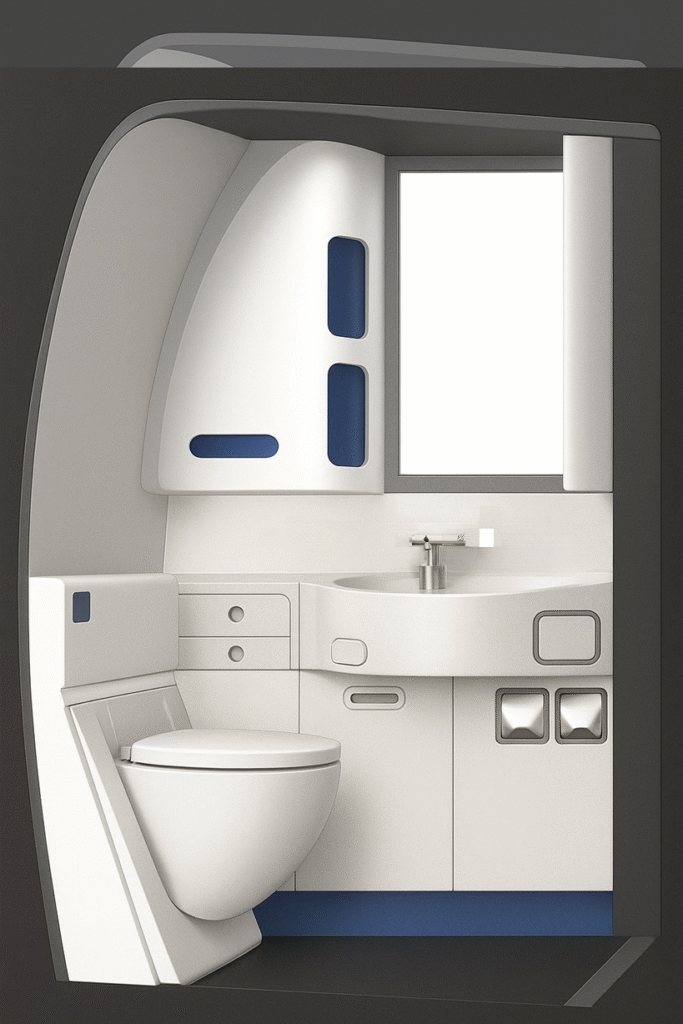
Combining key functions into fewer penetrations can simplify retrofit work and reduce downtime during fleet refresh cycles.
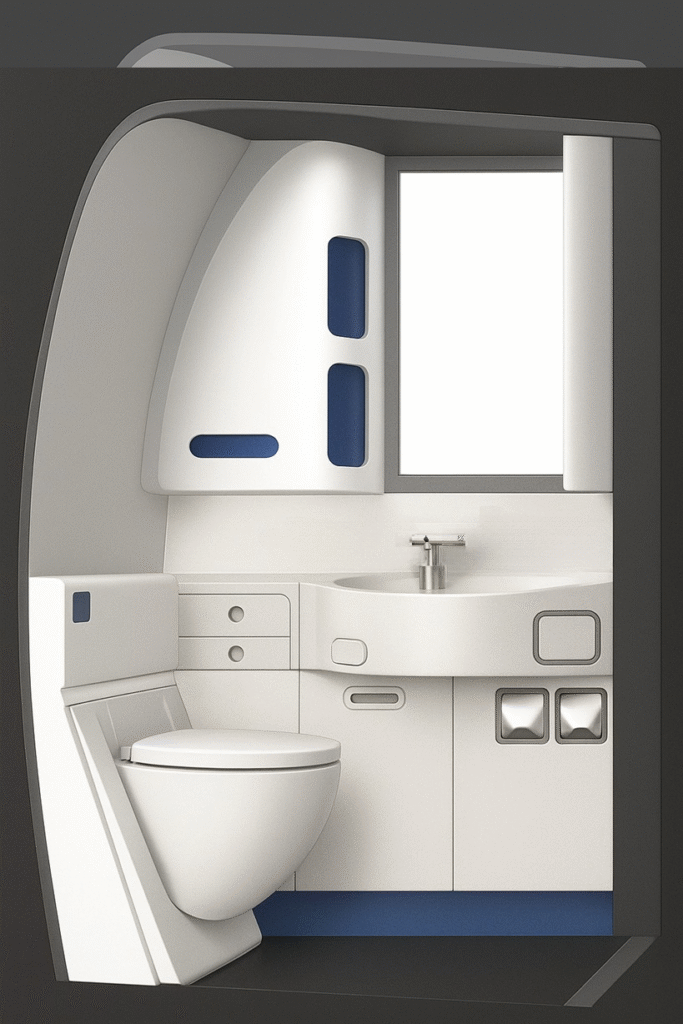
In fleet environments, modular components and quick maintenance access typically outperform “beautiful but fragile” assemblies over time.
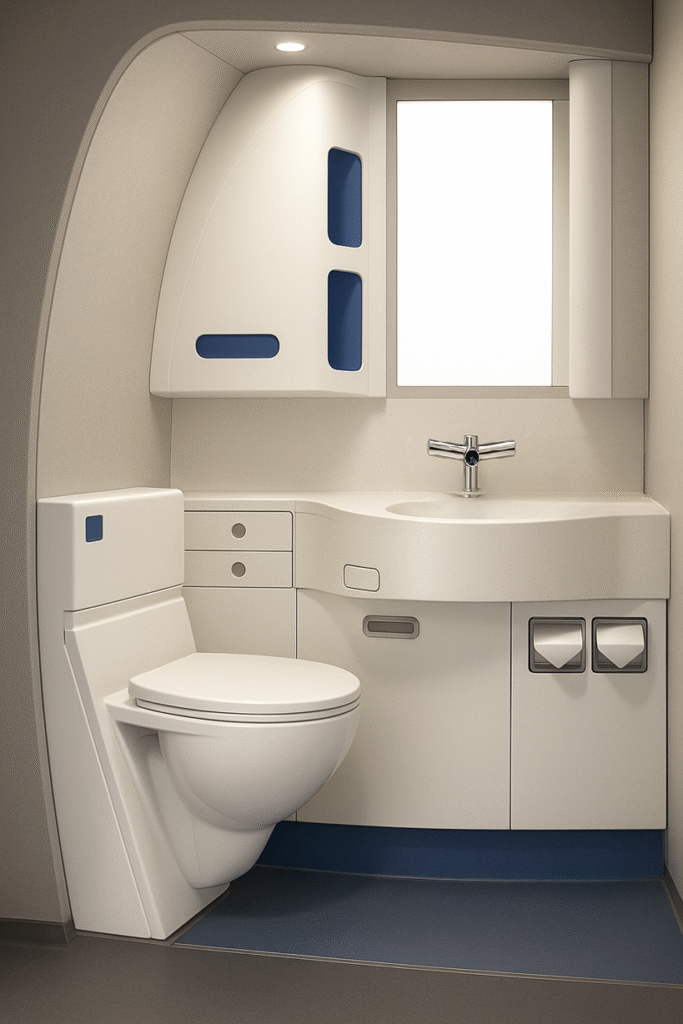
Integrated systems can streamline the passenger handwashing sequence while supporting consistent run-time logic and easier maintenance planning.
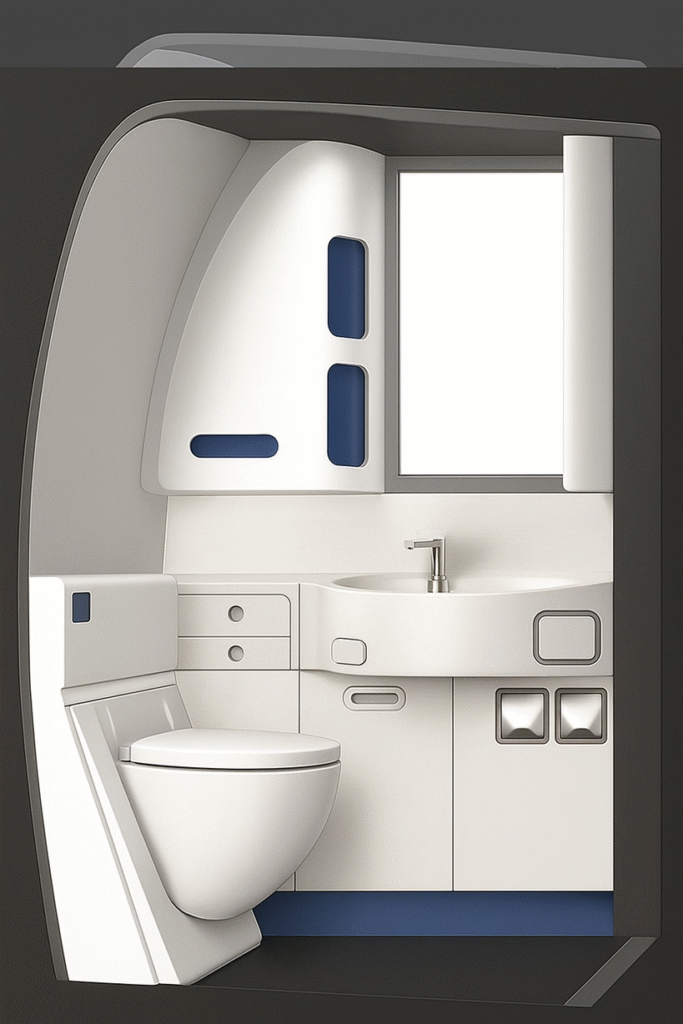
Focus areas include low-power operation, moisture protection, and consistent sensing under high traffic and frequent wipe-down cleaning.
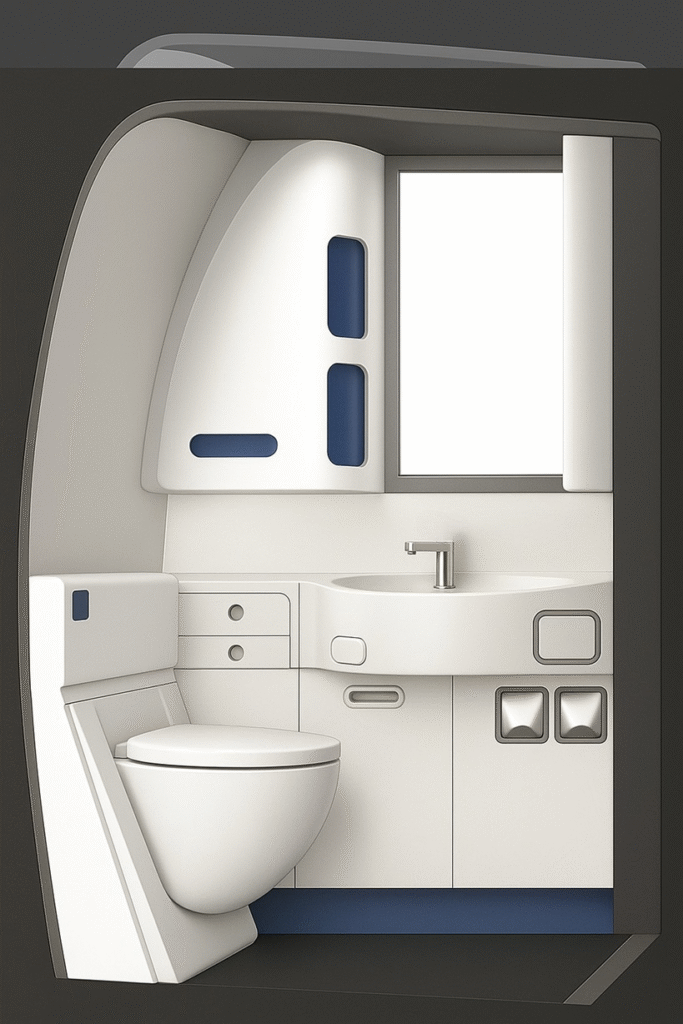
We evaluate stream stability and splash behavior with real basin geometry—because small bowls amplify small design mistakes.
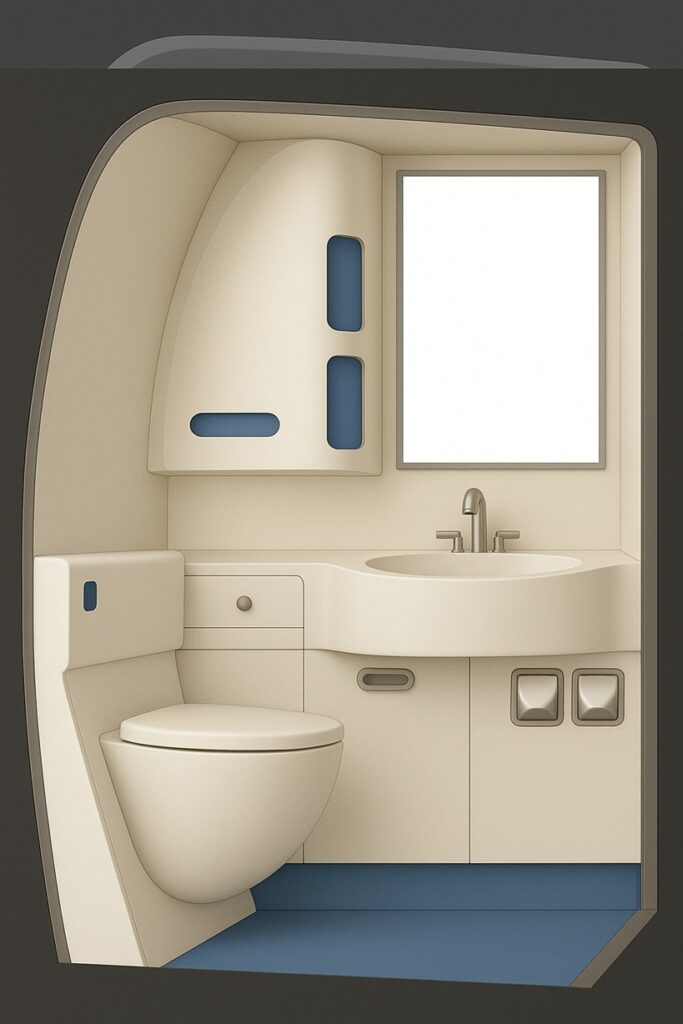
In aviation programs, teams often document materials, ingress protection, and environmental alignment as part of a broader integration package.
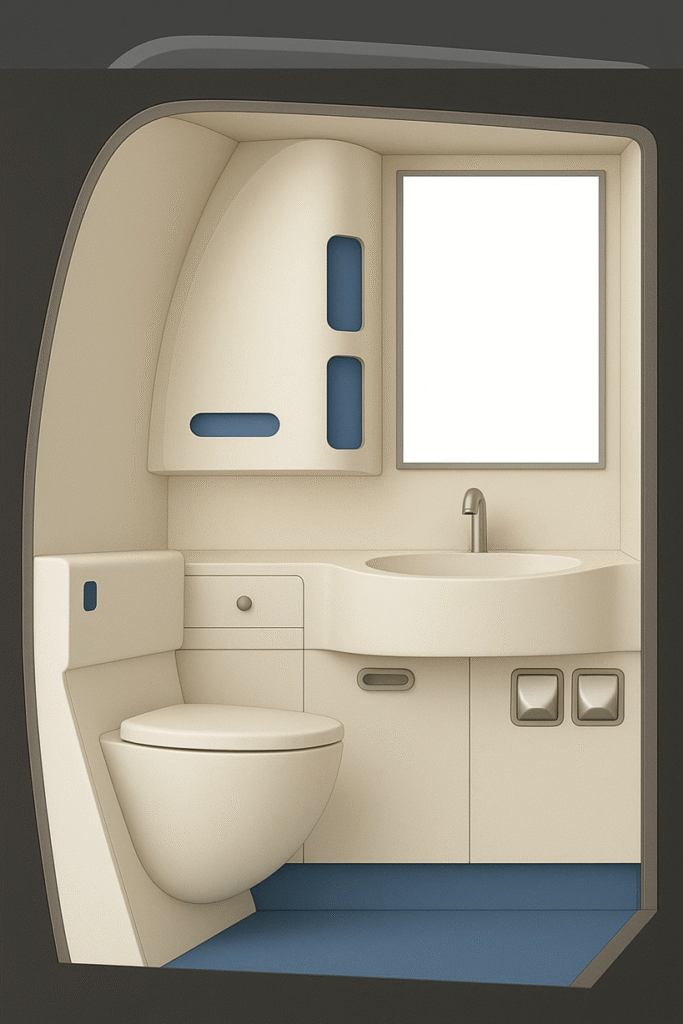
Specs typically emphasize power stability, sealed electronics, corrosion resistance, and predictable sensing—because downtime is the real cost driver.
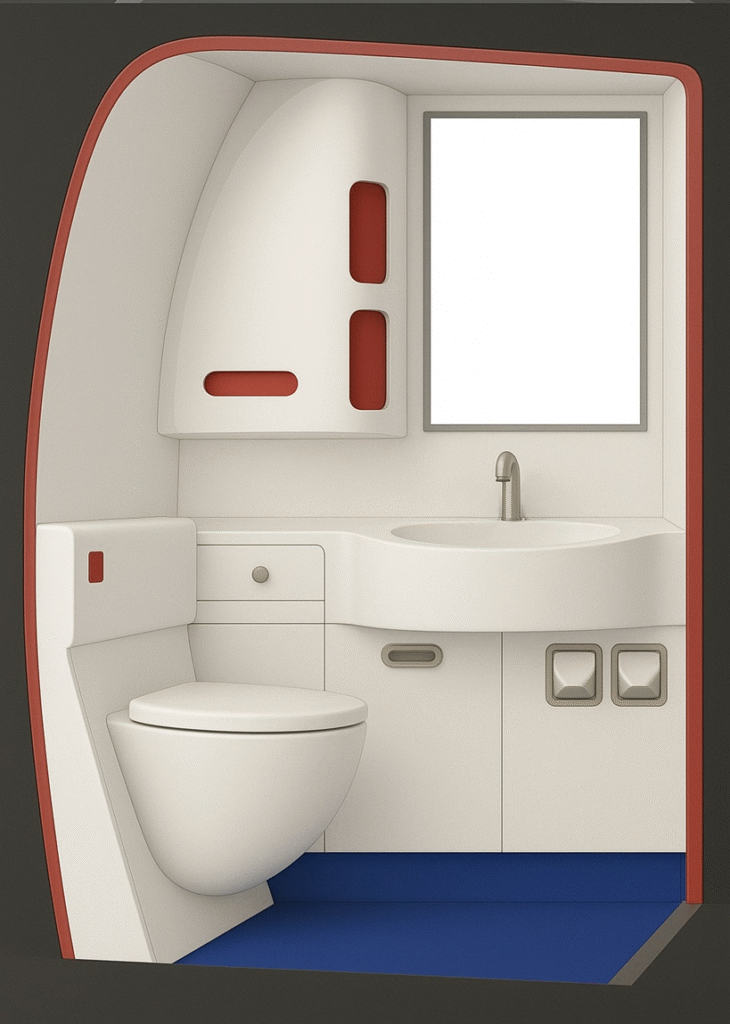
For fleet rollouts, documentation clarity supports faster approvals, consistent installs, and simpler training across maintenance teams.
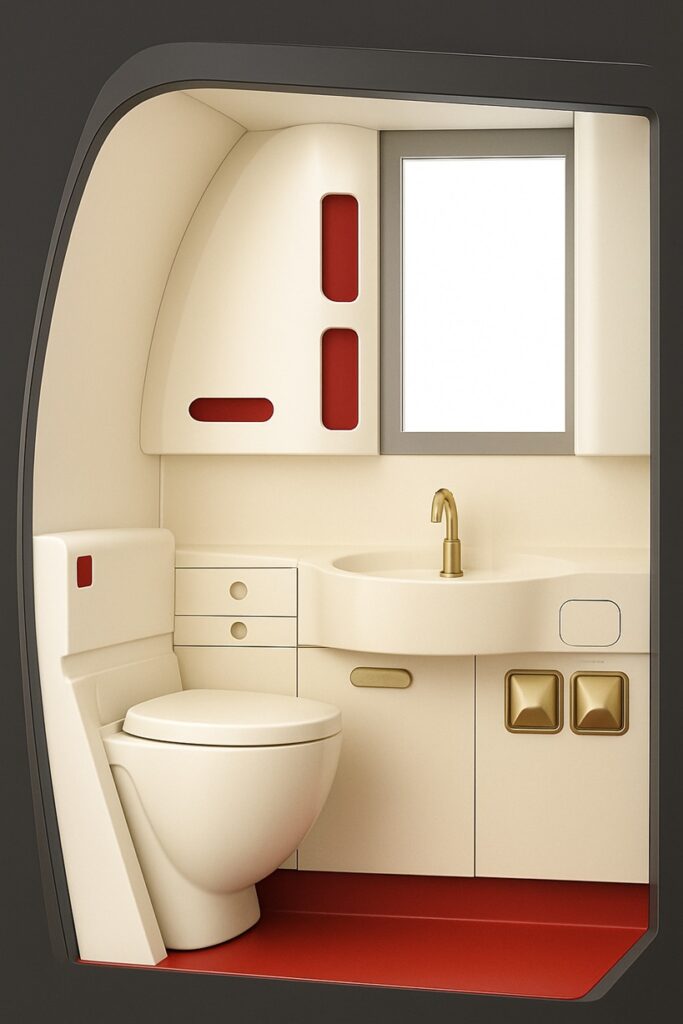
Premium finishes can be specified in aviation contexts—but only if coatings tolerate disinfectants and abrasion without premature wear.
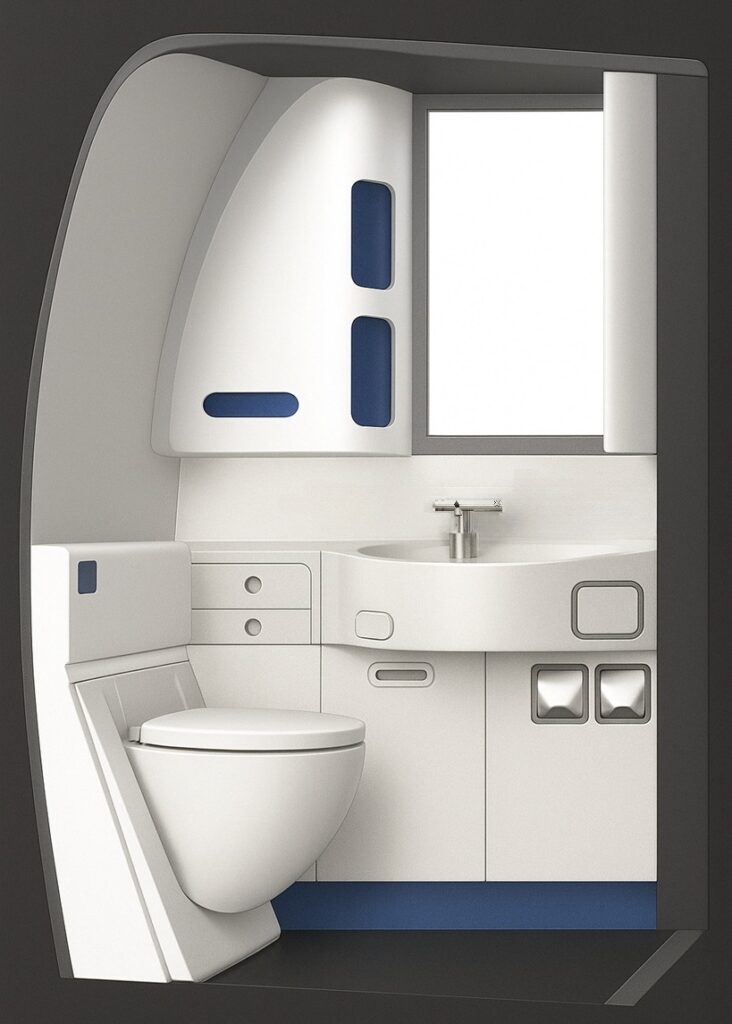
We look for clean routing, minimized penetrations, and layouts that make sensor cleaning and component replacement fast—especially in tight lavatory modules.
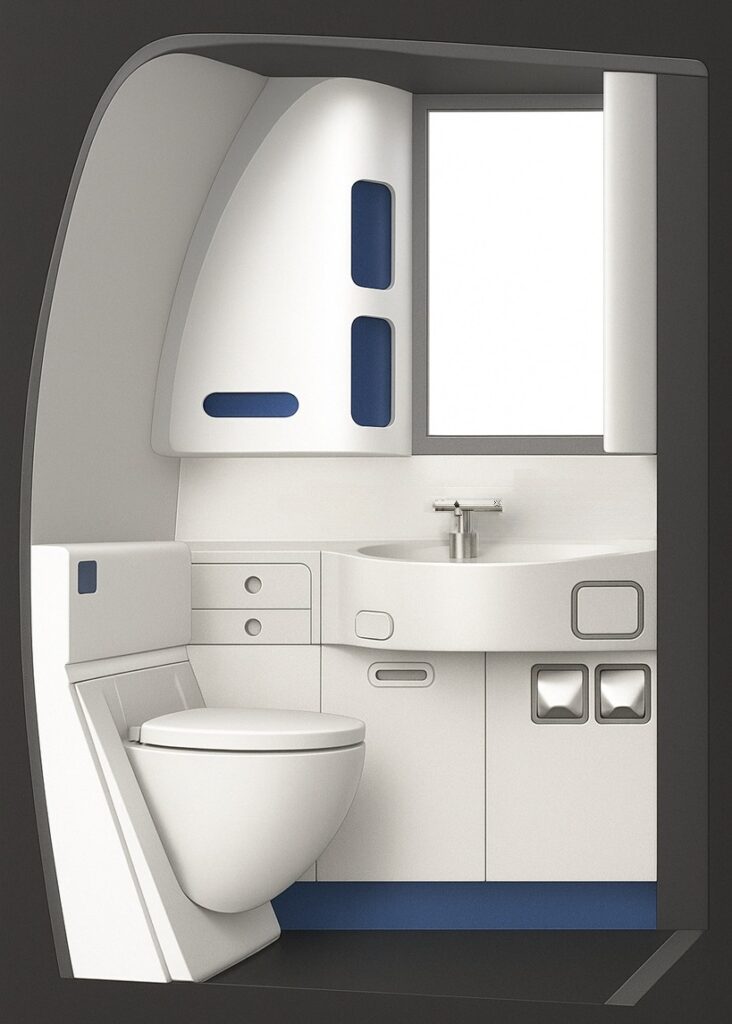
For airline bathrooms, the goal is consistent sensing, stable shutoff, and serviceable architecture that stays reliable under continuous cleaning and humidity.
